Creating a home workspace that feels both cozy and productive can make a big difference in how you approach your workday. Whether you’re working remotely full-time or just need a spot for occasional tasks, having the right setup can help you stay focused, organized, and comfortable. In this post, we’ll share practical tips to help you design a home workspace that suits your needs.
Why a Cozy and Productive Workspace Matters
A workspace that feels inviting encourages you to spend time there without discomfort or distraction. Meanwhile, an efficient setup supports productivity by minimizing interruptions and keeping everything you need within reach. Striking a balance between comfort and function can improve your mood, reduce stress, and boost your output.
Choosing the Right Location
Pick a Quiet Spot
Select a place in your home with minimal noise and distractions. If you have multiple options, try to choose a corner or room away from the busiest areas, such as the kitchen or living room.
Natural Light is Key
Position your desk near a window if possible. Natural light has been shown to improve mood and reduce eye strain. If sunlight isn’t an option, invest in good-quality task lighting to keep your workspace bright.
Furniture and Ergonomics
Invest in a Comfortable Chair
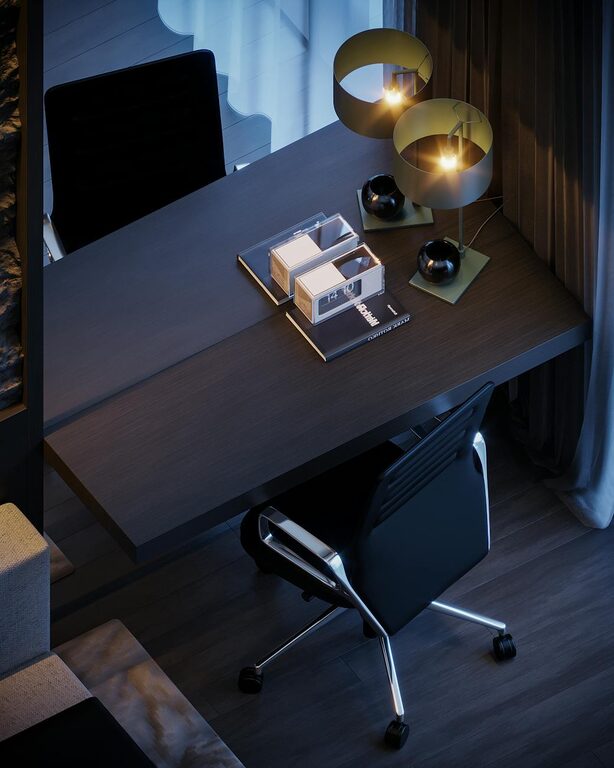
Ergonomics play a huge role in how you feel after hours of work. Choose a chair with adjustable height, lumbar support, and comfortable cushioning. A chair that supports your posture helps prevent back pain and fatigue.
Desk Size and Setup
Your desk should be large enough to hold all your essentials, such as your computer, notebooks, and other tools, without feeling cluttered. Standing desks or convertible desks can offer flexibility if you like to alternate between sitting and standing.
Organizing Your Workspace
Declutter Regularly
A tidy workspace reduces mental clutter and helps you focus. Set aside a few minutes each day to put away items, organize papers, and clear your desk surface.
Use Storage Solutions
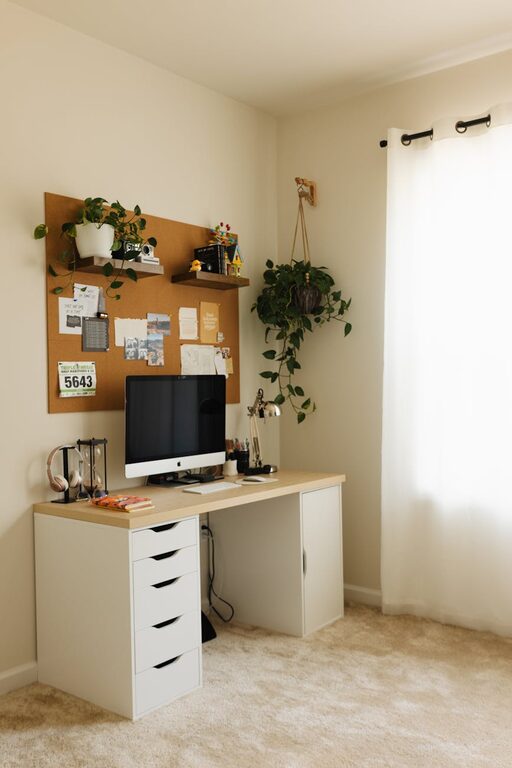
Shelves, bins, and drawer organizers can keep supplies neat and accessible. Consider vertical storage options to maximize space without crowding your desk.
Personalizing Your Space
Add Comforting Elements
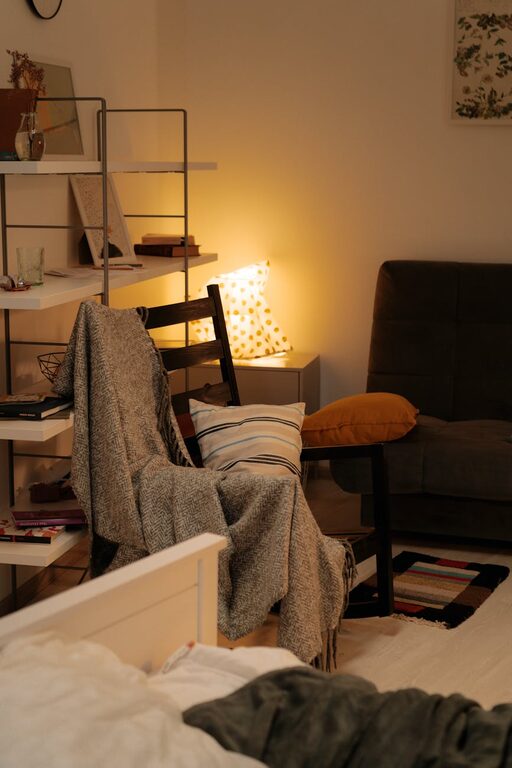
Introduce cushions, a soft throw, or a small rug to make your area feel cozy. These touches can make your workspace inviting and comfortable, encouraging longer, more pleasant work sessions.
Bring in Greenery
Plants brighten a room and improve air quality. Even small potted plants or succulents can bring a calming touch to your desk.
Use Inspiring Decor
Pictures, quotes, or art that inspire you can boost motivation. Just ensure decorations don’t overwhelm your space or become distractions.
Technology and Tools
Keep Cables Under Control
Use cable organizers or clips to prevent cords from tangling or cluttering your desk. A clean setup keeps your space tidy and minimizes frustration.
Choose the Right Equipment
Invest in reliable technology—your computer, mouse, keyboard, and headphones should support your work style comfortably and efficiently. Noise-canceling headphones can be great for blocking out distractions.
Developing Good Habits
Set a Routine
Create a consistent start time to your workday, including a ritual like making a cup of tea or stretching. This helps signal the beginning of work and primes your mind for focus.
Take Regular Breaks
Short breaks help prevent burnout and maintain productivity. Use techniques like the Pomodoro method—work for 25 minutes, then take a 5-minute break.
Maintain Boundaries
If your workspace is in a shared area, communicate your working hours to household members. This helps minimize interruptions and maintains a work-life balance.
Conclusion
Building a home workspace that is both cozy and productive is about more than just aesthetics; it’s about creating an environment where you can thrive. With thoughtful location choices, ergonomic furniture, organized tools, and personal touches, your home office can become a place you look forward to starting each day. Remember, the best workspace is one tailored to your preferences and needs, so keep experimenting until you find what works best for you.
About the Author