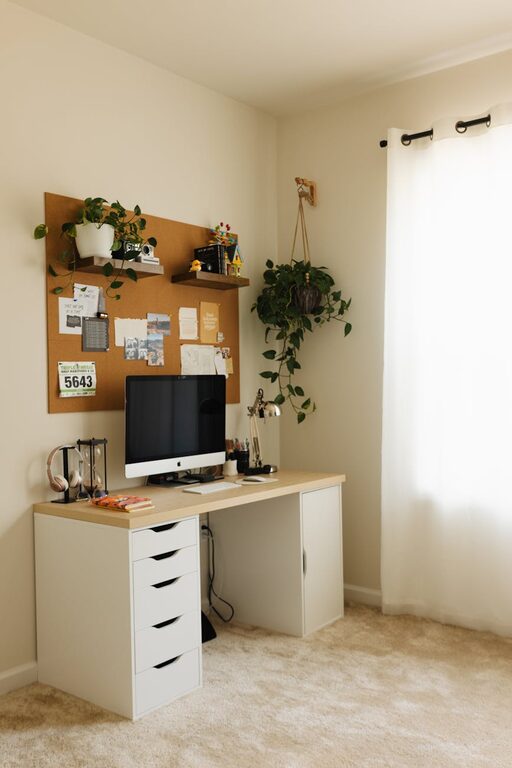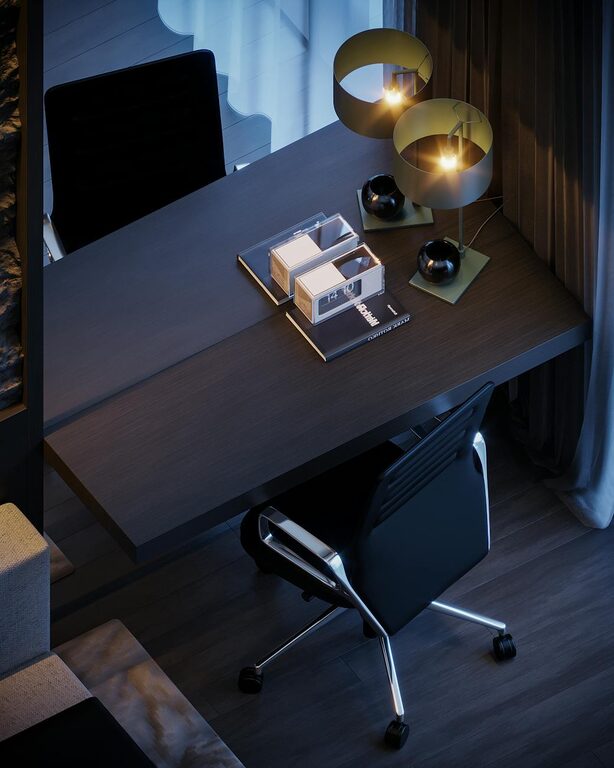
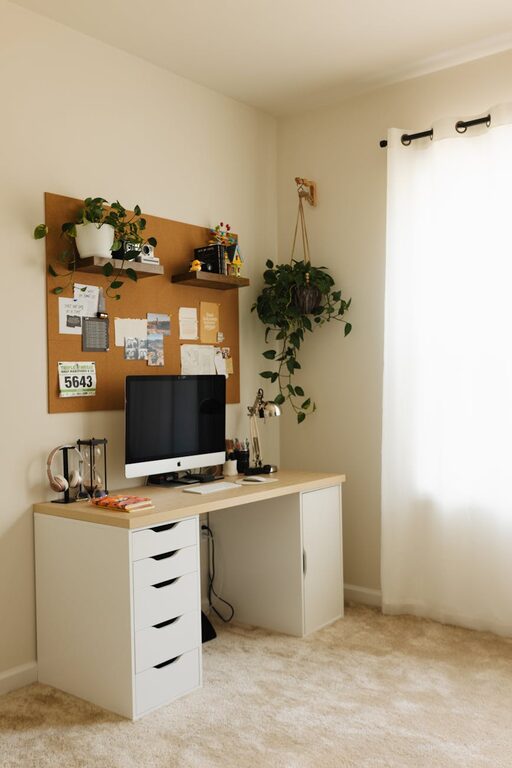
Creating a relaxing home office environment is essential for maintaining focus, reducing stress, and improving overall work satisfaction. Whether you work remotely full-time or occasionally, setting up a space that is both functional and soothing can make a big difference. In this post, we’ll explore practical tips to help you build an inviting home office where you can enjoy your workday.
Why a Relaxing Home Office Matters
Working from home has become increasingly popular, but it comes with its own set of challenges, including distractions, discomfort, and burnout. A well-designed home office promotes mental clarity and comfort, making it easier to stay motivated throughout the day. When your workspace feels calming and organized, you’re more likely to maintain a healthy work-life balance.
Choose the Right Location
Find a Quiet Spot
Pick a place in your home with minimal noise and foot traffic. A quiet corner, spare room, or even a section of your bedroom can work well. Reducing background noise helps you concentrate better and reduces stress.
Consider Natural Light
Natural light boosts mood and energy. Set up your desk near a window if possible. If natural light is limited, use soft, adjustable lighting that mimics daylight to keep your space bright but not harsh.
Invest in Comfortable Furniture
Ergonomic Chair
Your chair is one of the most important pieces of furniture. Choose an ergonomic chair that supports your posture and reduces back strain. This can prevent discomfort during long hours of work.
Functional Desk
Select a desk that fits your space and needs. A clean, spacious desk helps keep your materials organized and accessible. Standing desks or convertible desks are great options if you want to alternate between sitting and standing.
Organize for Clarity and Calm
Declutter Regularly
A cluttered desk can lead to distractions. Keep only essential items on your work surface. Use drawers, shelves, or storage boxes to keep supplies and paperwork out of sight.
Use Organizers
Desk organizers, trays, and filing systems help keep your workspace tidy. Label your storage areas to easily find what you need without stress.
Add Soothing Elements
Colors and Décor
Choose calming colors like soft blues, greens, or neutrals to paint your walls or decorate your space. These colors promote relaxation and focus. Avoid overly bright or loud colors that might increase anxiety.
Plants
Adding greenery introduces life and calmness to your office. Plants improve air quality and have been shown to reduce stress levels. Low-maintenance options like succulents or snake plants are ideal for busy workers.
Personal Touches
Display a few meaningful items — such as photos, artwork, or souvenirs — to make your space feel more welcoming without overcrowding it.
Control Noise and Distractions
Noise-Canceling Headphones or White Noise
If you can’t find a quiet spot, noise-canceling headphones can help block out distractions. Alternatively, playing white noise or soft background music can create a steady sound environment conducive to concentration.
Set Boundaries
Let family members or housemates know your work hours and the importance of minimizing interruptions during those times. Clear communication helps create a respectful workspace.
Prioritize Good Lighting
Avoid Glare
Position your computer screen and lighting to reduce glare, which can cause eye strain and headaches. Use adjustable lamps so you can control the light intensity and direction.
Layer Your Lighting
Combine natural daylight, overhead lights, and task lighting to brighten your workspace evenly. This layered approach reduces shadows and makes the office comfortable day and night.
Create a Routine and Break Areas
Defined Work Hours
Having set hours helps your brain switch between “work mode” and “relaxation mode.” Stick to a schedule to build healthy work habits.
Designate a Break Zone
If space allows, create a small area for breaks separate from your desk. A cozy chair, cushions, or a yoga mat can help you mentally recharge during breaks.
Maintain Air Quality and Temperature
Ventilation
A room with fresh air improves alertness and reduces fatigue. Open a window when possible or use an air purifier to keep the air clean.
Comfortable Temperature
Adjust your thermostat to a comfortable level. Being too hot or cold can hamper concentration and comfort.
Incorporate Technology Thoughtfully
Wire Management
Tidy your cables with clips, sleeves, or under-desk trays to avoid messy tangles that cause stress or distraction.
Efficient Equipment
Use reliable technology and peripherals that suit your workflow. A good keyboard, mouse, and monitor can make your tasks easier and more enjoyable.
—
By implementing these tips, you can transform your home office into a relaxing and efficient space that supports both productivity and well-being. Remember, the goal is to create an environment tailored to your needs — a space where work feels less like a chore and more like a comfortable part of your day. Take some time to arrange and personalize your office, and you’ll likely notice a positive impact on your focus and mood. Happy working!
About the Author